Yoga & the Gods: A Personal Journey
One of our team has lived with self-harm throughout his life. He is not ashamed of that — but he has also spent decades finding better ways to cope. Running, cycling, meditation, and especially yoga have given him alternatives to the destructive patterns that once consumed him.
These pages are dedicated to the yoga postures that helped him most, and to the mythology that gives them meaning. Each pose is linked back to its source in Hindu tradition — the gods, sages, and stories that inspired the posture, its shape, and its purpose.
You'll notice that the images in these pages show a man with scars. They're inspired by the scars our team member lives with every day[1] — not to shock or disturb, but to remind us that people can survive difficult things. He never harmed anyone else — only himself — and that is part of why we want to share this work: to show that people who have self-harmed are good people, deserving of acceptance, not shame.
If the scars are uncomfortable to look at, we understand. But they are part of his story, and he has chosen to share them because he believes they might help someone else find a better path.
[1] The AI-generated images aren't a literal likeness. They show large, stitched scars, whereas our team member's are mostly dozens of small, thin scars, with a few larger ones — none of them stitched. Like many people who self-harm, he never went to hospital for them; he hid the cuts and let them heal on their own.
All images are watercolour-style illustrations, not photographs. This was a deliberate choice — to create beauty out of difficulty, and to focus on the movement and meaning of the poses rather than the scars themselves.
These pages are for anyone who needs them.
Intro
Asanas are the physical postures/positions/poses in yoga, designed to harmonize the body, mind, and energy while enhancing flexibility, strength, and mental clarity.
Definition and Origin
The term asana comes from Sanskrit[1], meaning “posture,” “seat,” or “place”.
Originally, asanas were primarily seated postures for meditation, but over time, they evolved into a wide variety of positions including standing, twisting, balancing, forward bends, backbends, inversions, and reclining poses.
Classical texts identify 84 traditional asanas, though modern yoga includes many more variations
Seated
| Pose | Sanskrit | Focus / Benefit |
|---|---|---|
Easy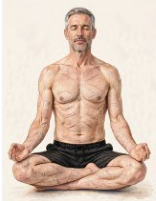
|
Sukhasana | Gentle seated posture for calm breathing |
Firelog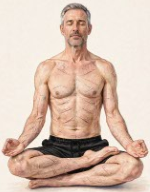
|
Agnistambhasana | Opens hips and groin |
Lotus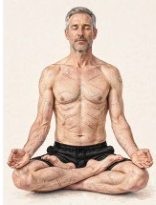
|
Padmasana | Deep meditation pose |
Hero
|
Virasana | Stretches thighs and ankles |
Garland
|
Malasana | Deep squat for hip mobility |
Cow Face
|
Gomukhasana | Shoulder and hip stretch |
Butterfly
|
Baddhakonasana | Inner thigh stretch |
Scale
|
Tulasana | Arm balance and core strength |
Standing
| Pose | Sanskrit | Focus / Benefit |
 Tree Tree
|
Vriksasana | Balance and focus |
|---|---|---|
 Goddess Goddess
|
Utkata Konasana | Strengthens legs and glutes |
 Back Bend Back Bend
|
Hasta Uttanasana | Opens chest and shoulders |
 Eagle Eagle
|
Garudasana | Improves balance and flexibility |
 Warrior I Warrior I
|
Virabhadrasana I | Builds strength and stability |
 Warrior II Warrior II
|
Virabhadrasana II | Opens hips and chest |
 Warrior III Warrior III
|
Virabhadrasana III | Balance and core engagement |
 Dancer Dancer
|
Natarajasana | Backbend and balance |
Spine Mobility
| Pose | Sanskrit | Focus / Benefit |
 Sphinx Sphinx
|
Salamba Bhujangasana | Gentle backbend |
|---|---|---|
 Cobra Cobra
|
Bhujangasana | Strengthens spine |
 Upward Dog Upward Dog
|
Urdhva Mukha Svanasana | Opens chest |
 Downward Dog Downward Dog
|
Adho Mukha Svanasana | Full-body stretch |
 Extended Puppy Extended Puppy
|
Uttana Shishosana | Shoulder and spine release |
 Bridge Bridge
|
Setu Bandha Sarvangasana | Strengthens glutes and back |
 Locust Locust
|
Salabhasana | Back and leg strength |
 Spinal Twist Spinal Twist
|
Ardha Matsyendrasana | Detoxifying twist |
 Easy Twist Easy Twist
|
Parivrtta Sukhasana | Gentle seated twist |
 Thread the Needle Thread the Needle
|
Parvva Balasana | Shoulder and upper back release |
 Fish Fish
|
Matsyasana | Opens chest and throat |
 Bow Bow
|
Dhanurasana | Deep backbend |
 Cow Cow
|
Bitilasana | Spine extension |
 Cat Cat
|
Bidalasana | Spine flexion |
 Camel Camel
|
Ustrasana | Opens chest and hips |
 Wheel Wheel
|
Chakrasana | Intense backbend |
 Dolphin Dolphin
|
Catur Svanasana | Shoulder strength |
 Forward Fold Forward Fold
|
Uttanasana | Hamstring stretch |
Core
| Pose | Sanskrit | Focus / Benefit |
 Chaturanga Chaturanga
|
Chaturanga Dandasana | Arm and core strength |
|---|---|---|
 Dolphin Plank Dolphin Plank
|
Phalakasana II | Core stability |
 Seated Fold Seated Fold
|
Paschimottanasana | Hamstring and spine stretch |
 Plow Plow
|
Halasana | Spine flexibility |
 High Plank High Plank
|
Phalakasana | Core and shoulder strength |
 Bird Dog Bird Dog
|
Dandayamana Bharmanasana | Balance and coordination |
 Upward Plank Upward Plank
|
Purvottanasana | Opens chest and strengthens arms |
 Boat Boat
|
Navasana | Core engagement |
 Side Plank Side Plank
|
Vasisthasana | Oblique strength |
 Happy Baby Happy Baby
|
Ananda Balasana | Hip opening |
 Heron Heron
|
Krounchasana | Hamstring stretch |
 Marichyasana I Marichyasana I
|
Marichyasana I | Twist and hip stretch |
Hip Openers
| Pose | Sanskrit | Focus / Benefit |
 Lizard Lizard
|
Utthan Pristhasana | Deep hip stretch |
|---|---|---|
 Pigeon Pigeon
|
Ardha Kapotasana | Hip flexibility |
 One Leg Pigeon One Leg Pigeon
|
Eka Pada Rajakapotasana | Deep hip opener |
 Sleeping Swan Sleeping Swan
|
Kapotasana II | Restorative hip stretch |
 Half Frog Half Frog
|
Ardha Bhekasana | Quad and hip stretch |
 Reclining Twist Reclining Twist
|
Supta Matsyendrasana | Gentle spinal twist |
Stretches
| Pose | Sanskrit | Focus / Benefit |
 Butterfly II Butterfly II
|
Baddhakonasana II | Inner thigh stretch |
|---|---|---|
 Frog Frog
|
Mandukasana | Hip and groin opening |
 Forward Fold II Forward Fold II
|
Prasrita Padottanasana D | Hamstring stretch |
 Chair Twist Chair Twist
|
Parivrtta Utkatasana | Detoxifying twist |
 Seated Straddle Seated Straddle
|
Upavistha Konasana | Inner thigh stretch |
 Monkey Monkey
|
Hanumanasana | Splits pose |
 Staff Staff
|
Dandasana | Posture alignment |
 One Leg Forward Fold One Leg Forward Fold
|
Janu Sirsasana | Hamstring stretch |
 Seated Forward Fold Seated Forward Fold
|
Paschimottanasana | Spine and hamstring stretch |
 Reclining Butterfly Reclining Butterfly
|
Supta Baddhakonasana | Relaxing hip opener |
 Saddle Saddle
|
Supta Virasana | Quad stretch |
 Corpse Corpse
|
Savasana | Deep relaxation |
References
- Sanskrit is an ancient, classical language of South Asia, regarded as the sacred and scholarly language of Hinduism, Buddhism, and Jainism, with a highly systematic grammar and profound cultural influence.