Key Evidence: The Mitanni Treaty (c. 1380 BCE)
Before the Rig Veda was composed, the ancestors of the Indo-Aryan peoples shared a common religious tradition with their Iranian counterparts — known as Proto-Indo-Iranian religion. This is an archaic offshoot of the broader Indo-European religious family. The deities of this tradition are the direct predecessors of the Vedic gods.
The most significant piece of external evidence for this layer is a treaty from the 14th century BCE, discovered in the Hittite archives at Hattusa (modern Boğazköy in central Turkey). The treaty was between the Hittite king Šuppiluliuma I and the Mitanni prince Šattiwaza, and both sides invoked their gods as witnesses to the oath.
About the Images on This Page
There was no formal iconography for these deities during the Proto-Indo-Iranian period.
The gods are known only from their names in the Mitanni treaty (c. 1380 BCE).
No contemporary images of these deities exist from this period.
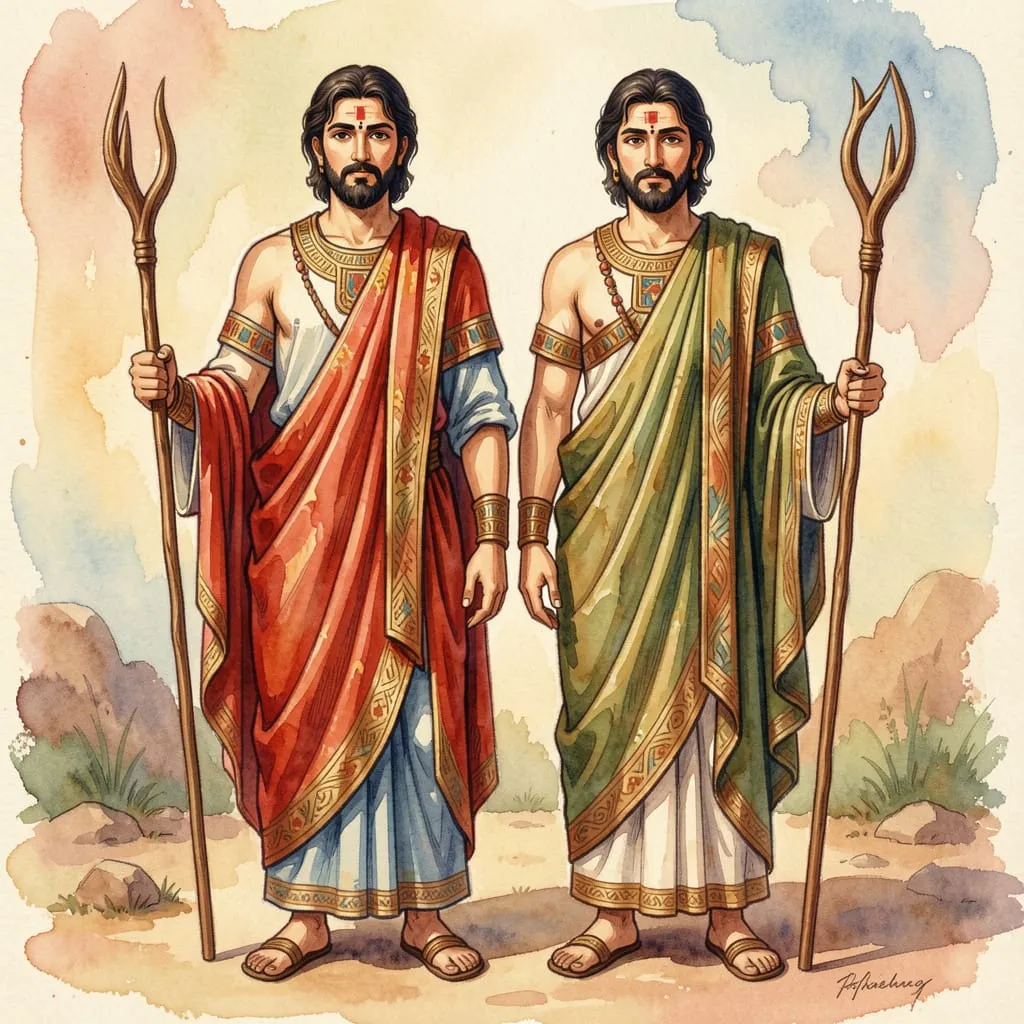
The images shown here could possibly be the first artistic interpretations of what these Proto-Indo-Iranian deities might have looked like, based on their roles as treaty witnesses and their connection to the broader Indo-European divine tradition.
No specific images of Mitra, Varuna, Indra, or Nasatya exist from this period. The only visual evidence from the broader region is generic Near Eastern and Elamite seals showing gods in worship scenes.
Note: The Pashupati seal (c. 2600–1900 BCE) shows a figure in a yogic posture that some scholars identify with proto-Shiva. This is earlier than Period 2 but geographically relevant to the region, demonstrating that a tradition of divine imagery already existed in the Indus Valley.
Why These Images Matter
| Point | Significance |
|---|---|
| There is no "correct" look | Since no images exist, these representations are as valid as any other that may be created |
| Based on textual evidence | These images are grounded in the earliest available sources (Mitanni treaty, Rig Veda) |
| Original work | These are new creations, not copies of an existing tradition |
| Fills a gap | Most depictions of these gods default to Puranic iconography — these are period-appropriate |
The Four Gods of the Mitanni Treaty
Among the Hurrian and Mesopotamian deities listed in the treaty, four names stand out because they are neither Hurrian nor Mesopotamian. In the scribe's cuneiform they read:
| Cuneiform Spelling | Vedic Equivalent | Role |
|---|---|---|
| Mi-it-ra | Mitra | God of oaths, contracts, and alliances |
| Aru-na | Varuna | God of cosmic order and the waters |
| In-da-ra | Indra | Warrior god of storms and rain |
| Na-sa-at-ti-ya | Nasatya (Ashvins) | Divine twin physicians |
Mitra: God of oaths, contracts, and alliances.
Period 2 Representation: A simple dignified figure, no elaborate crown or multiple arms. Golden or radiant complexion in later descriptions, but for this period, simplicity is key.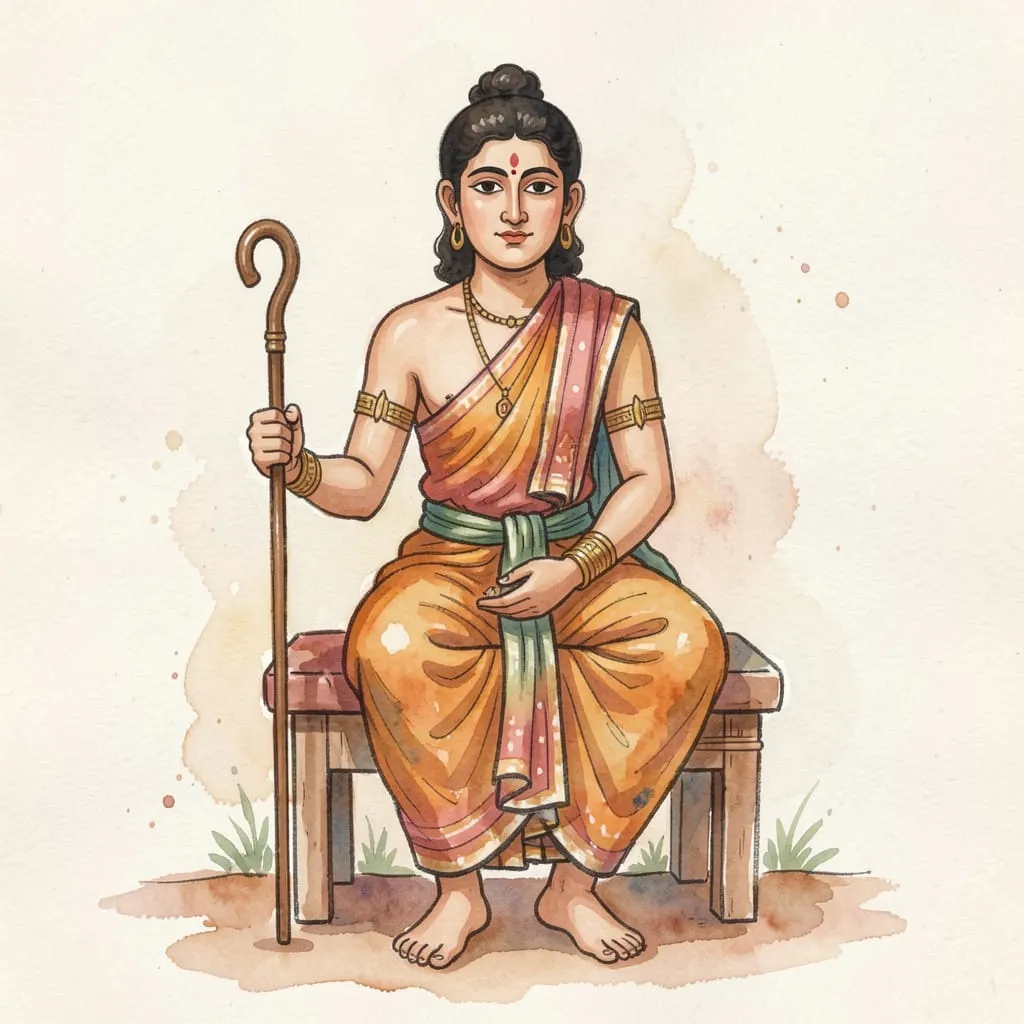
Varuna: God of cosmic order and the waters.
Period 2 Representation: A simple sovereign figure, no elaborate crown or multiple arms. Associated with the sky, rivers, and moral law. For this period, a dignified human-like appearance is appropriate.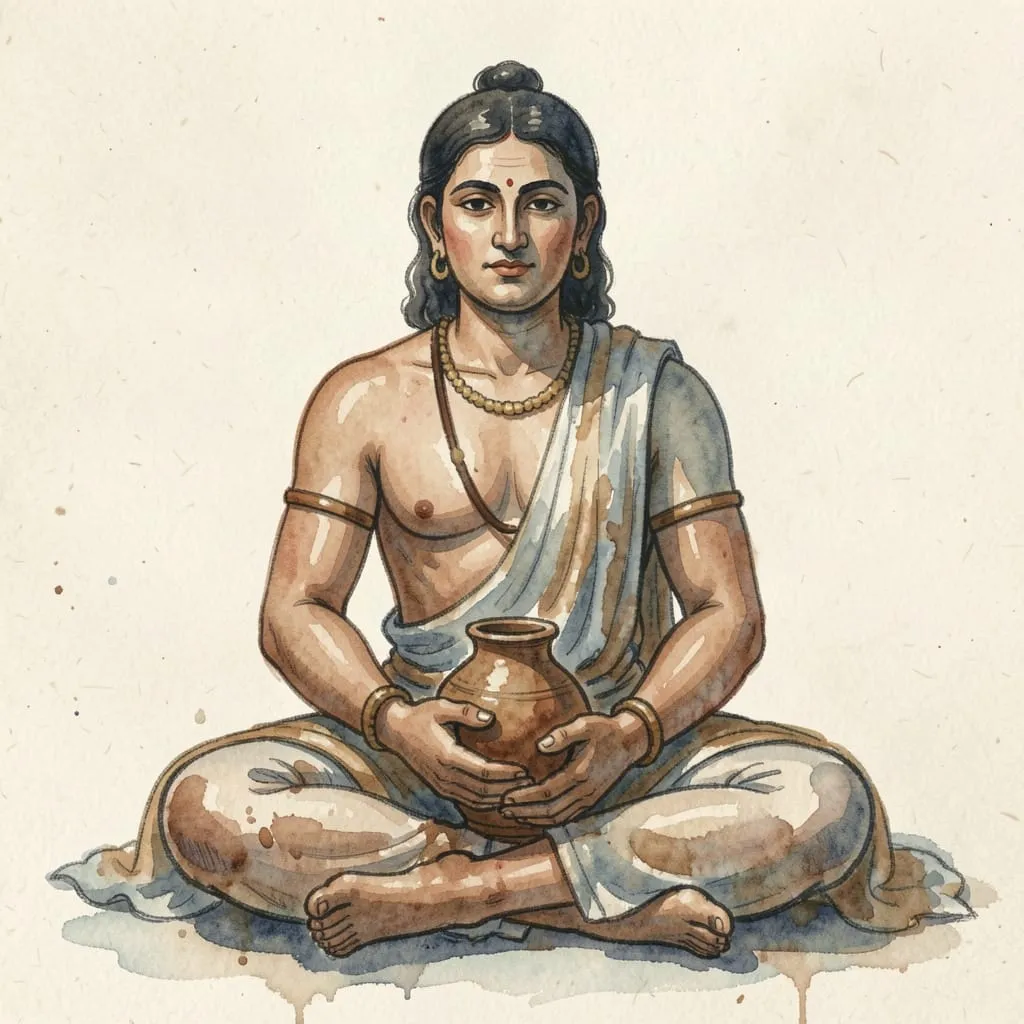
Indra: Warrior god of storms and rain.
Period 2 Representation: A simple warrior-king figure, no elaborate crown or multiple arms. A thunderbolt-wielding figure in later descriptions, but for this period, simplicity is key.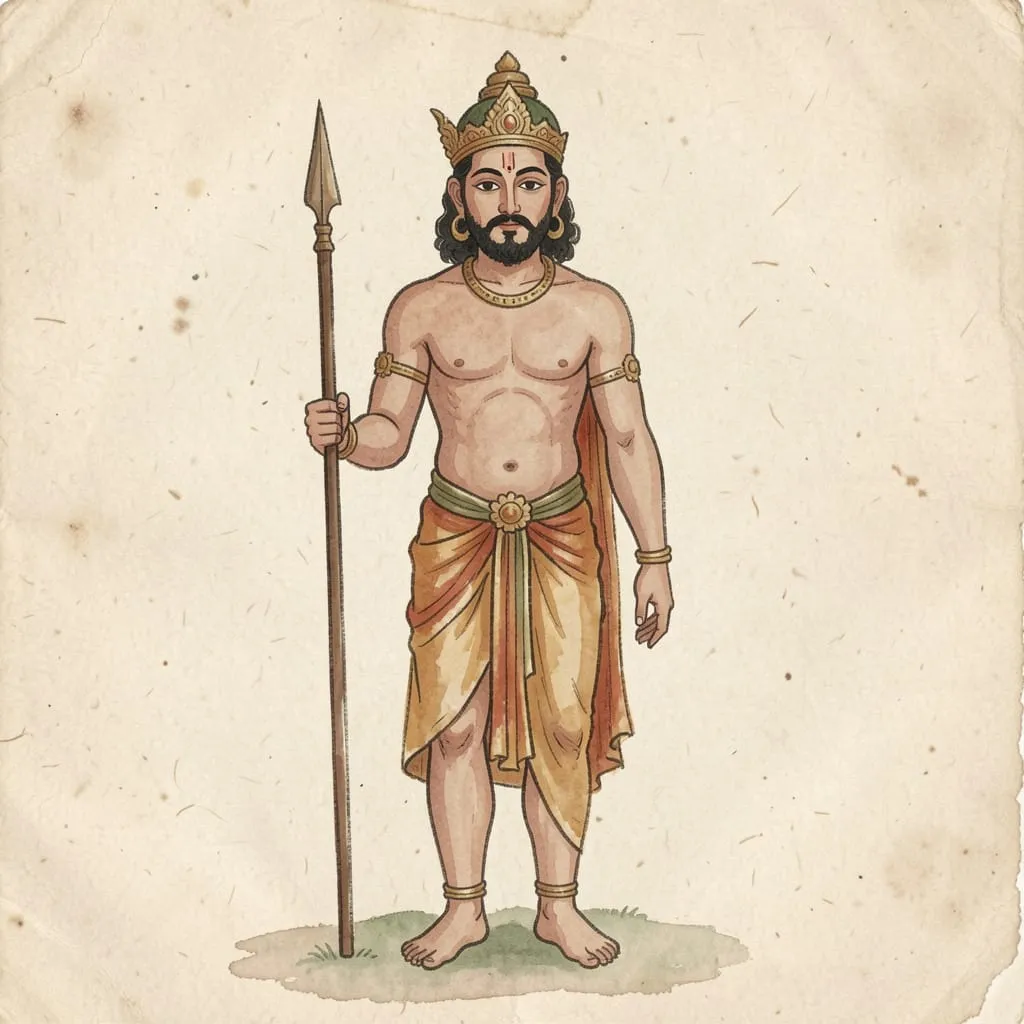
Nasatya (Ashvins): Divine twin physicians and healers.
Period 2 Representation: A pair of youthful twin figures, no elaborate crowns or multiple arms. Associated with horses, chariots, and healing. For this period, a simple paired human-like appearance is appropriate.