Overview
The Saptarishi are seven revered sages in Hinduism, considered mind-born sons of Brahma, who uphold dharma and transmit divine knowledge across cosmic ages.The term Saptarishi comes from Sanskrit, meaning "seven sages" (sapta = seven, rishi = seer) and refers to the seven great Vedic sages who are central to Hindu spiritual tradition and cosmology.
They are regarded as mind-born sons of Lord Brahma, the creator, and are believed to guide humanity, preserve sacred knowledge, and maintain cosmic order during each Manvantara, a vast cycle of time in Hindu cosmology.
These sages are immortal in the sense that they exist in every age.
In yogic texts, the head is viewed as a microcosm of the universe. The word rishi translates to "one who knows" or "one who sees". The seven sensory organs in your head are the rishis, as they are the direct tools of perception. By mastering these inner sages, an individual aligns their physical form with cosmic order.
The Saptarishi are more than just celestial beings. According to the Brihadaranyaka Upanishad (Verse 2.2.4), the human head is compared to an inverted bowl representing the universe, where the seven sensory openings act as the residing places for the seven cosmic sages. Bodily, they represent the seven vital organs of perception through which a human experiences the world: the two ears, two eyes, two nostrils, and the tongue.
Beyond the physical body, the seven sages represent the macrocosmic pillars of the universe. They are the mind-born sons (manasaputras) of Lord Brahma who guide humanity across great cosmic time cycles called Manvantaras.
A manvantara (age of Manu) is a unit of time within a kalpa (day of Brahma). There are fourteen manvantaras in a kalpa, each separated by sandhyas (connecting periods). Each manvantara is ruled by a different Manu, with the current seventh one ruled by Vaivasvata Manu. Rishis and their sons are born anew in each manvantara, therefore the names of the Saptarishis change in each cosmic age.
Roles and Significance
- Guardians of Dharma: They uphold righteousness and moral order, ensuring the continuity of spiritual and ethical principles
- Transmitters of Knowledge: They received the Vedas directly from Brahma and passed them on to humanity, forming the foundation of Hindu wisdom
- Spiritual Guides: They act as teachers and exemplars of meditation, penance, and divine insight, often attaining the status of Brahmarishis, sages who have realized the ultimate truth of Brahman
- Cosmic Representation: The Saptarishi are associated with the seven bright stars of Ursa Major (the Big Dipper), symbolizing their eternal presence and guidance
Atri: A mind-born son of Brahma, Sage Atri is one of the most ancient and revered seers.
Key Associations: He is the husband of Anasuya, who is celebrated as the embodiment of chastity and virtue. He is also the father of the deity Dattatreya.
Significance: Atri is attributed with composing many hymns in the Rig Veda. He is known for his profound penance and is often depicted as a serene, wise sage.
Yoga Asana: None directly associated.
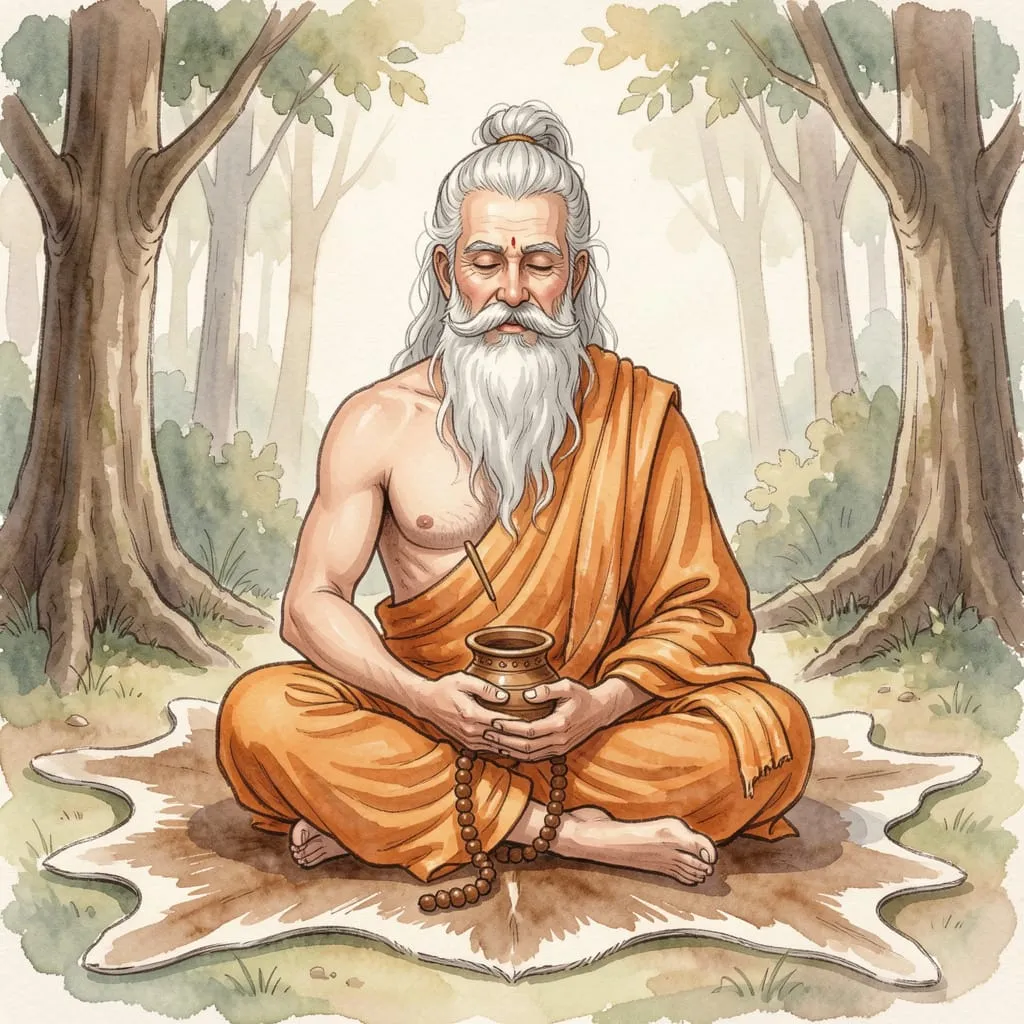
According to legends of the Vedic era, Atri was married to Anasuya Devi, who is considered to be one of the seven female pativratas. They had three sons: Dattatreya, Durvasa, and Chandra, and one daughter Atreyi. According to the Bhagavada Purana, when instructed by Brahma to contribute to the world's creation, Atri, along with Anusuya, performed severe austerities (tapas) on the Riksha mountain range. Pleased by their devotion and prayers, the Hindu trinity (Brahma, Vishnu, and Shiva) appeared before the couple and offered them boons. Atri prayed to all three to be born to them. Chandra was born as an ansha (part) of Brahma, Dattatreya was born as an ansha of Vishnu, and Durvasa was born as an ansha of Shiva.[9] Another version of the legend states that Anasuya, by the powers of her chastity, rescued the three gods, and in return, they were born to her as children
husband of Anasuya; father of Dattatreya, Durvasa, Chandra, Atreyi
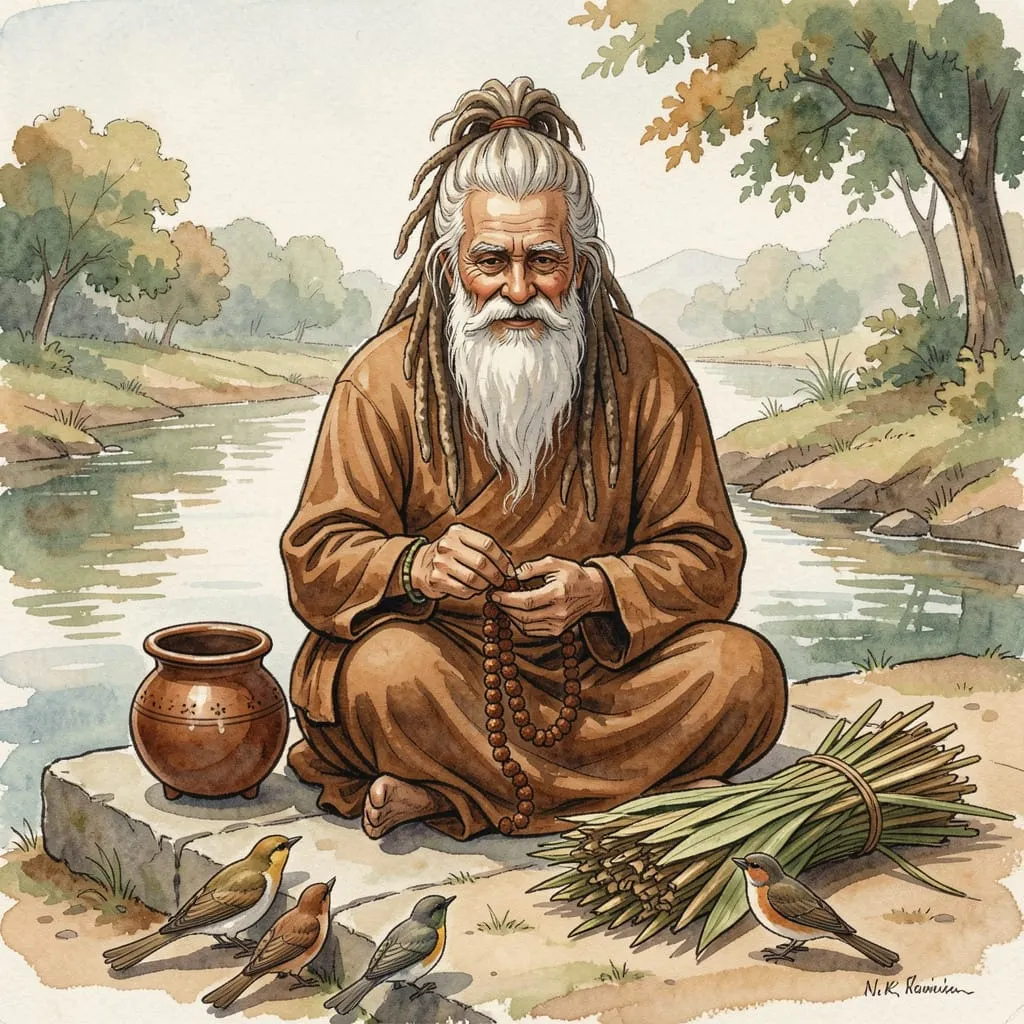
Bharadvaja: A revered sage and composer of several hymns in the Rig Veda.
Key Associations: He is the father of the warrior-sage Drona from the Mahabharata. His name is associated with the skylark bird.Significance: He is known for his profound knowledge and his long life. He is also the author of the Bharadvaja Samhita, an important text on Ayurveda.
Yoga Asana: Bharadvajasana (a twisting seated pose).
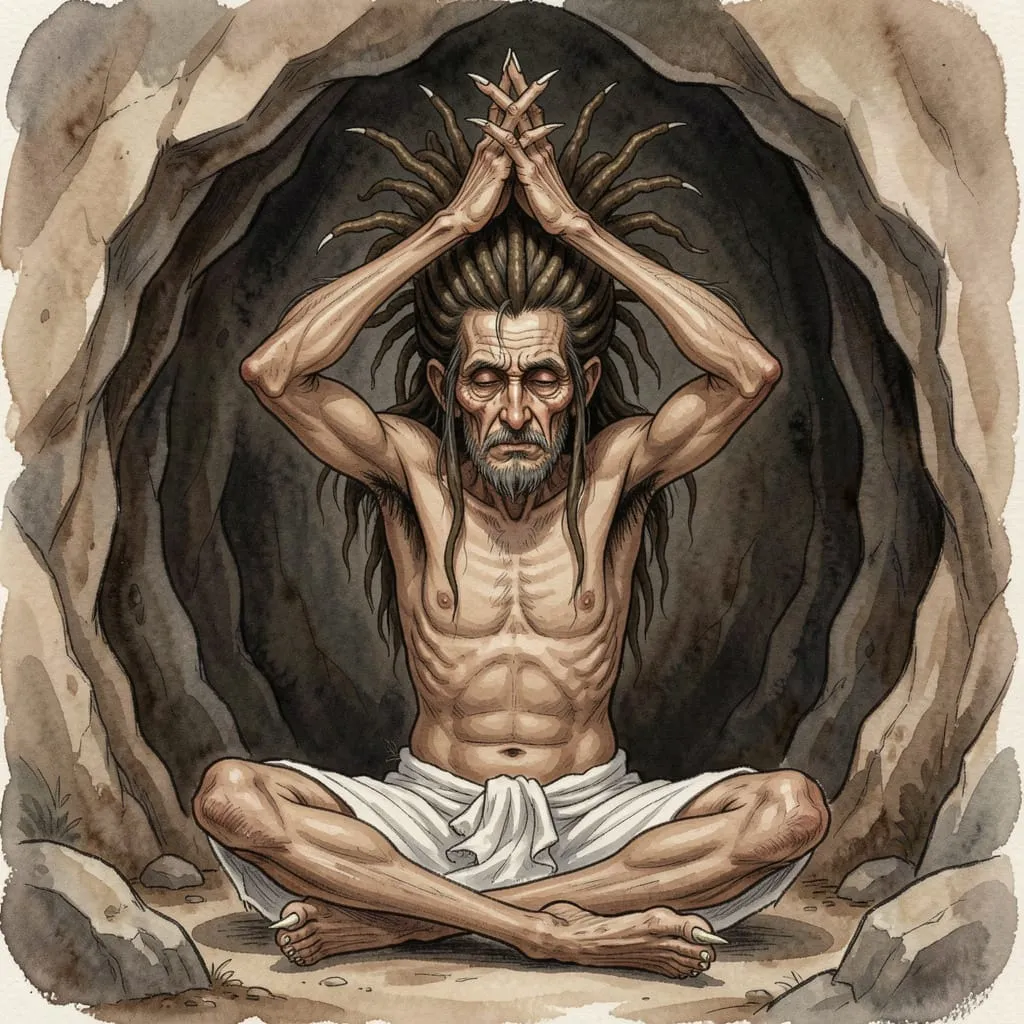
Gautama: A sage known for his extreme asceticism and the husband of Ahalya.
Key Associations: He is the father of the sage Śvetaketu. He is famous for cursing his wife Ahalya to become stone.Significance: He is described as having very long nails and hair, and is often depicted in intense meditative postures. He is not to be confused with Gautama Buddha.
Yoga Asana: None directly associated.
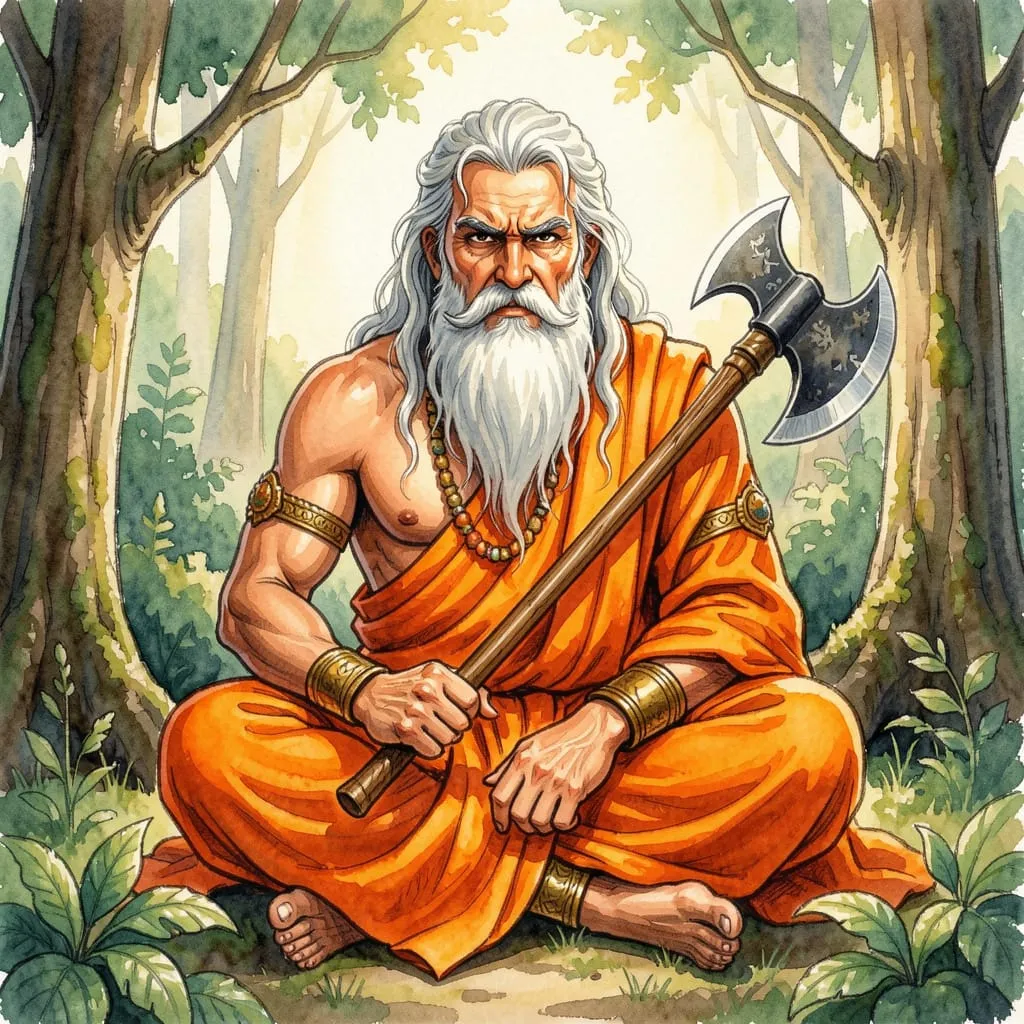
Jamadagni: A fierce and powerful sage, known for his short temper and devotion to dharma.
Key Associations: He is the father of Parasurama, the sixth avatar of Vishnu.Significance: He was a great warrior-sage who possessed the divine cow Kamadhenu and a powerful axe. He was killed by the Haihaya king Kartavirya Arjuna, which led to his son Parasurama's revenge.
Yoga Asana: None directly associated.
Kashyapa: A patriarchal sage, often considered the father of all living beings.
Key Associations: He is the father of the Devas (gods), Asuras (demons), and all of humanity. He is one of the Prajapatis, the progenitors of creation.
Significance: He is the husband of several daughters of Daksha, including Aditi, Diti, and Danu, from whom various races and beings were born. His name means "tortoise".
Yoga Asana: Kashyapasana (a deep squatting pose).
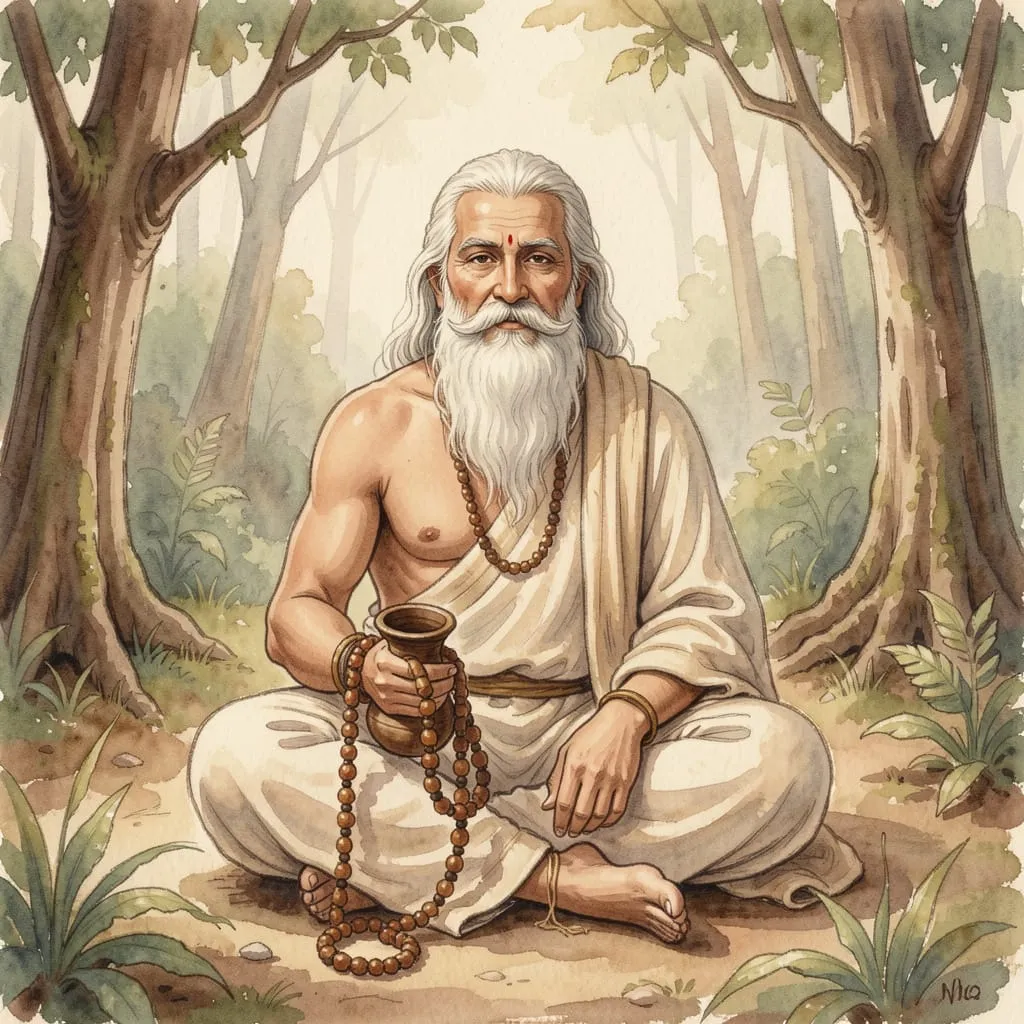
Vasistha: A royal sage and the chief of the Saptarishi, known for his immense wisdom and serenity.
Key Associations: He is the possessor of the divine cow Kamadhenu and is often depicted with her. He was the teacher of Lord Rama.
Significance: He is the author of the Yoga Vasistha, a profound philosophical text. He is famous for his rivalry with Vishvamitra and his unwavering commitment to dharma.
Yoga Asana: Vasisthasana (a side plank balance pose).
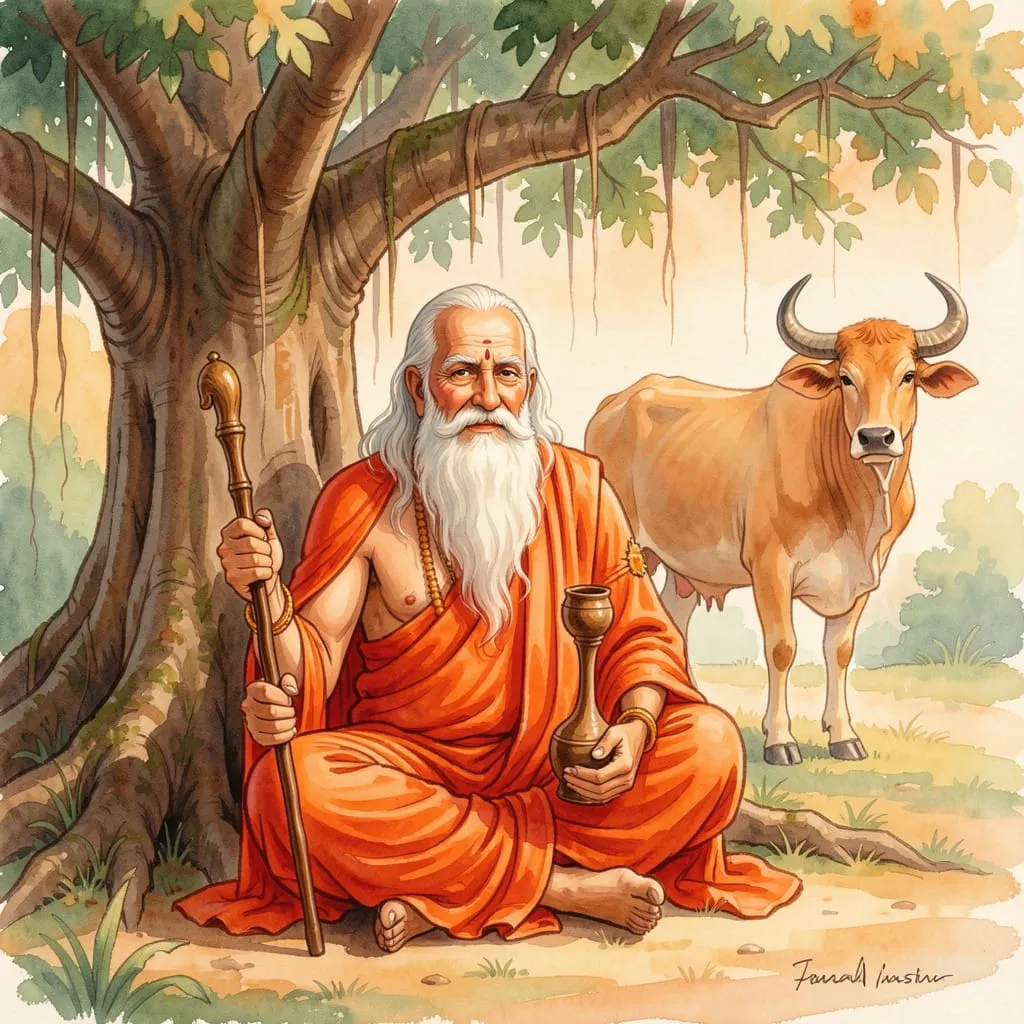
Vishvamitra: A king who became a Brahmarishi through intense austerity and penance.
Key Associations: He is the author of the Gayatri Mantra and the teacher of Rama. He is famous for his rivalry with Sage Vasistha.
Significance: His story is a powerful example of determination and transformation. He rose from being a king to the highest rank of sagehood, demonstrating that penance can conquer all.
Yoga Asana: Visvamitrasana (a deep side-stretch pose).
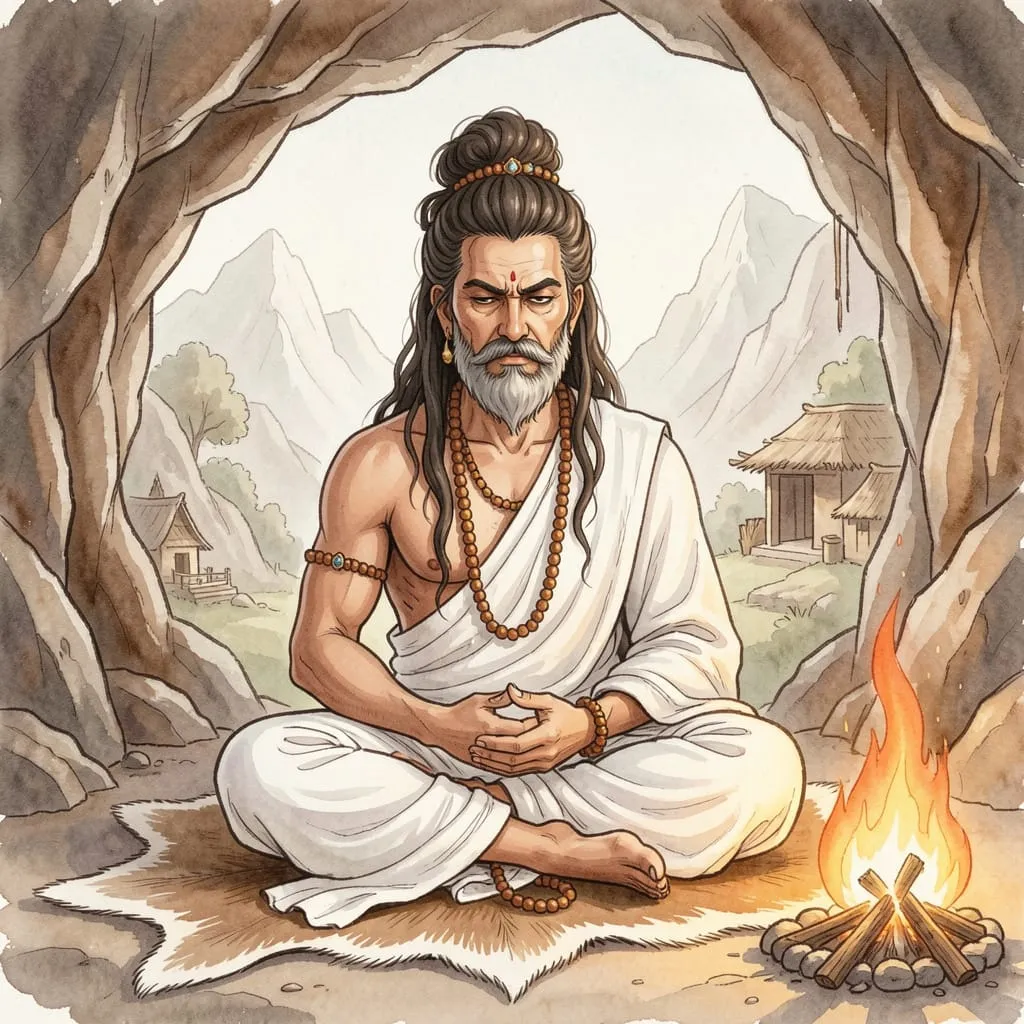
| Deity Name | Description | Yoga Asana |
|---|---|---|
| Bharadvaja | Composer of parts of the Rig Veda; associated with birds (lark/skylark) | Bharadvajasana |
| Deity Name | Description | Yoga Asana |
|---|---|---|
| Gautama | Extreme ascetic with long nails; hands clasped above head in intense penance | None |
| Deity Name | Description | Yoga Asana |
|---|---|---|
| Jamadagni | Father of Parashurama; fierce warrior-sage with battle-axe (parashu) | None |
| Deity Name | Description | Yoga Asana |
|---|---|---|
| Kashyapa | Father of the Devas, Asuras, and all humanity; fatherly serene expression | Kashyapasana |
| Deity Name | Description | Yoga Asana |
|---|---|---|
| Vasistha | Author of Yoga Vasistha; royal sage with divine cow (Kamadhenu) | Vasisthasana |
| Deity Name | Description | Yoga Asana |
|---|---|---|
| Vishvamitra | King who became a Brahmarishi; discovered the Gayatri Mantra | Visvamitrasana |